
Red Flags in Real Estate Deals: How to Avoid Being Scammed.
Buying or renting property can be one of the biggest financial decisions you’ll ever make — but it also comes with risks. In Nigeria’s growing property market, especially in places like Makurdi and other fast-developing cities, scams and fraudulent real estate deals are unfortunately becoming more common. The good news is: you can avoid them.
This guide will help you spot red flags in real estate transactions and make smarter, safer decisions whether you’re buying, selling, or renting property.
Why Real Estate Scams Are Common in Nigeria
Real estate scams thrive because property transactions often involve large sums of money, complex documentation, and multiple middlemen. Many people also skip due diligence due to excitement or trust in verbal assurances.
Common reasons scams happen include:
- Ignorance of property laws and documentation.
- Pressure to buy quickly before price “goes up.”
- Fake or unverified land ownership documents.
- Lack of professional guidance from lawyers or agents.
👉 For more on verifying land and property papers, see our post: How to Verify Land and Property Documents in Benue State.
1. Too-Good-to-Be-True Prices

One of the biggest red flags in any property deal is an unusually low price compared to market value.
If a plot of land or house in a prime area like High-Level or Gboko Road axis is being offered for half the usual rate, be cautious. Scammers use cheap pricing to attract quick, emotional buyers who won’t ask too many questions.
What to Do:
- Research the average prices in that area before making inquiries.
- Ask why the seller is offering such a discount — legitimate sellers should have a logical reason.
- Always consult an estate valuer or agent to confirm if the price aligns with market reality.
2. Lack of Verified Ownership Documents

If the person selling the property cannot provide clear, verifiable ownership documents, walk away.
Common fake or missing documents include:
- Certificate of Occupancy (C of O)
- Deed of Assignment
- Survey Plan
- Power of Attorney
Red Flag Signs:
- Seller only presents photocopies and refuses to show the originals.
- Documents contain irregular spellings or mismatched names.
- Seller discourages you from verifying documents at the Ministry of Lands.
What to Do:
- Always cross-check documents with the Benue State Ministry of Lands or relevant authority.
- Work with a real estate lawyer to verify authenticity.
👉 Related: Understanding Tenancy Agreements in Nigeria: What Every Renter Must Know.
3. Vague or Unofficial Property Descriptions
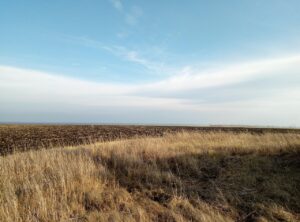
If the agent or seller cannot give clear information about the property’s exact location, boundaries, or purpose, it’s a warning sign.
Be wary if:
- The seller avoids showing you the exact plot on-site.
- The location keeps changing between discussions.
- They refuse to provide survey coordinates or layout plan.
What to Do:
- Request a survey plan and physically visit the site with a surveyor.
- Ask neighbors or community members about the true ownership and recent disputes.
4. Pressure Tactics — “Buy Now or Lose Out”
Scammers often use urgency and emotional pressure to make buyers rush decisions.
They might say:
“Someone else is coming to buy tomorrow.”
“The owner is traveling today — if you don’t pay now, it’s gone.”
Why it’s a Red Flag:
- Genuine sellers understand that property transactions take time.
- Scammers use psychological pressure to make you act without due diligence.
What to Do:
- Never pay on the spot — insist on document verification and legal review.
- If an agent insists on “today or never,” take that as your cue to walk away.
5. Unregistered or Fake Real Estate Agents
In Makurdi and other Nigerian cities, many people pose as “agents” without any registration or office address.
Warning Signs:
- The agent has no verifiable office, company name, or track record.
- Communication happens only via phone calls or WhatsApp.
- They avoid written agreements and push for immediate payment.
What to Do:
- Ask for identification or company registration details.
- Work with agents who are members of professional bodies.
- Avoid “middlemen of middlemen” — deal directly with verified property owners or licensed agents.
👉 You can also read Common Mistakes to Avoid When Renting a House in Makurdi for more helpful advice.
6. Incomplete or Illegal Land Layouts
Some land sellers offer plots in areas that have not been approved by planning authorities.
Red Flags:
- No official layout approval or government allocation.
- Seller claims “it’s government land, but they’ll soon release it.”
- Land falls within restricted zones, such as drainage or powerline areas.
What to Do:
- Check the layout’s approval status with the Benue State Urban Development Board (UDB) or Ministry of Lands.
- Avoid buying land still under communal ownership disputes or government acquisition.
💡 Remember: If it’s not on a registered layout, you might lose your investment when government development reaches that area.
7. Payment Without Receipts or Agreements
Never make a property payment without receiving an official receipt or signing a sales agreement.
Red Flags:
- The seller refuses to issue a receipt, claiming “trust me.”
- Payments are made to personal accounts instead of the owner’s or company’s account.
- The sales agreement is handwritten or lacks witness signatures.
What to Do:
- Demand a properly drafted agreement prepared by a lawyer.
- Always pay into traceable bank accounts (not cash handovers).
- Keep copies of all receipts, agreements, and communication.
8. Disputes and Double Selling

In some cases, multiple buyers may be sold the same plot of land, leading to years of legal battles.
How to Detect It:
- Ask around locally if the land has been sold before.
- Cross-check the deed of assignment to see if it’s already registered to someone else.
- Avoid transactions handled by third parties claiming to represent the owner without authorization.
Pro Tip: Always confirm from the community head, local land committee, or traditional ruler that the seller is genuine.
9. No Site Visits Before Payment
A shocking number of people buy property without ever seeing it physically — based on photos or videos sent by agents.
Risks include:
- Buying land that doesn’t exist.
- Buying a flood-prone or inaccessible area.
- Paying for a plot smaller than what was promised.
What to Do:
- Always visit the site in person, even if you’re buying remotely — send a trusted representative if needed.
- Use Google Maps or GPS to confirm the land’s coordinates.
👉 Read our related article: Emerging Neighborhoods in Makurdi: Where to Buy Land Before Prices Rise to identify promising but verified areas.
10. Ignoring Legal and Professional Guidance
Many property scams could be avoided if buyers consulted lawyers, surveyors, and registered agents early in the process.
Why It Matters:
- Lawyers verify ownership and draft agreements.
- Surveyors confirm boundaries and authenticity.
- Agents help you avoid overpriced or disputed properties.
What to Do:
- Include legal and professional fees as part of your property budget.
- Never let anyone convince you that involving a lawyer will “delay the process.”
💡 It’s cheaper to hire a lawyer than to lose your investment to fraud.
How to Safeguard Yourself When Buying or Renting Property
Here’s a quick checklist to help you avoid real estate scams:
✅ Always verify documents with government offices.
✅ Visit the property physically before paying.
✅ Deal directly with the rightful owner or verified representative.
✅ Involve a lawyer and surveyor at every stage.
✅ Make payments only through traceable means (bank transfer).
✅ Keep all receipts and written agreements.
Conclusion
Real estate in Makurdi — and Nigeria at large — is a promising investment avenue. However, without proper diligence, you could lose your savings to fraudsters posing as genuine sellers or agents.
Being alert to these red flags in real estate deals can save you years of regret. Always take time to verify, question, and document everything before you commit.


Reviews